
SKF7®
Long-term nonclinical studies, cardiovascular safety pharmacology and animal and human pharmacokinetics connect with three completed randomized human studies.
- Chronic rat study
- 12 months
- Chronic dog study
- 9 months
- Human studies
- 3 completed

Clinical-stage biopharmaceutical science
Medikra® is a revenue-generating, clinical-stage biopharmaceutical company developing botanical therapeutics from standardized bioactive APIs. Led by SKF7® in central adiposity and metabolic dysfunction, we connect human evidence, molecular research and commercial execution through an integrated Malaysia–United States–Korea growth strategy.

BOTANICAL COMPLEXITY.SCIENTIFIC PRECISION.Conceptual artwork · Drag to rotate · Arrow keys
Explore the scienceCompleted human studies
of SKF7®
Granted patents in Malaysia
and the United States
Registered products
marketed in Malaysia
Human evidence
SKF7® is our lead oral botanical-drug candidate. The Malaysia Phase II study reported significant reductions in waist measures, body weight and BMI. In Indonesia, significant body-fat and reported lean-body-mass changes were observed despite no statistically significant difference in total body weight.
Human proteomics adds molecular evidence on lipid processing, mobilization and fatty-acid oxidation. Together, these findings support a development rationale that extends beyond total weight reduction.
Randomized Phase II
Randomized Phase II
Human pharmacokinetics
Separate studies, reported separately.
Safety & exposure
Defined chemistry, human evidence and a developed safety program underpin SKF7®’s botanical-drug development. Across our pipeline, safety and pharmacokinetic studies inform exposure assessment and the next stages of investigation.
Long-term nonclinical studies, cardiovascular safety pharmacology and animal and human pharmacokinetics connect with three completed randomized human studies.
A completed GLP repeated-dose toxicology and toxicokinetic study strengthens the cardiovascular program’s preclinical evidence and informs clinical-development planning.
Our scientific approach
Our standardized bioactive APIs bring together defined botanical identity, chemical-marker specifications and analytical characterization. SKF7® connects this foundation with human clinical evidence, human proteomics, safety and pharmacokinetic studies.
Labisia pumila var. alata
Kaempferia parviflora
Orthosiphon stamineus
Minimum chemical-marker specifications within standardized multicomponent APIs.
Medikra® AI Life Sciences
Our planned AI-enabled operating model is designed to connect chemistry, human evidence and molecular research across discovery, development and product design.
Built on the scientific programs behind SKF7®, KPH1™ and our wider portfolio, the model aims to turn accumulated evidence into new research directions, product opportunities and potential intellectual property.
Discovery
Connect chemical profiles with biological pathways and human evidence to explore mechanisms, identify biomarker hypotheses and prioritize extracts, fractions and potential indications for validation.
Development
Bring clinical response, pharmacokinetics, molecular findings and safety data together to inform dose and exposure hypotheses, endpoint selection, patient stratification and clinical-study planning.
Product design
Explore compositions, formulations, delivery approaches and new applications of standardized bioactive APIs, with the potential to support differentiated products and new intellectual property.
International growth
Our international strategy connects Malaysia’s scientific and commercial foundation, a dedicated U.S.-based company, and Korean regulatory, clinical and commercial partnerships. Across these markets, we advance botanical therapeutics and consumer-health products built on the same standardized bioactive APIs.
Malaysia is home to Medika Natura, our principal operating business, and the research relationships underpinning our development programs. Human clinical research, standardized API development and three registered, marketed products—Labeesity SKF7®, Pervira® and Starpril®—provide an established foundation. Further SKF7® development includes the NPRA Natural Products with Modern Claim pathway and expansion of botanical source-control capabilities.
Medikra U.S., our U.S.-based company, provides a dedicated platform for North American development and commercialization. Its mandate brings together FDA-facing botanical-drug development and consumer-health market entry, with priorities spanning pre-IND preparation, clinical-development coordination, strategic partnerships and commercial execution.
SKF7®’s U.S. patent protection, New Dietary Ingredient notifications and completed human studies support this strategy, connecting our existing scientific platform with the next stages of therapeutic development and North American growth.
Our partnership with NS Shopping Co., Ltd. (NS Home Shopping), part of Harim Group, connects Medikra’s scientific platform with Korean regulatory, product-development and commercial capabilities.
Priorities include pursuing MFDS Health Functional Food recognition for SKF7® in body-fat reduction and developing two planned studies in women’s endocrine-metabolic health—postmenopause and PMOS—with investigators at Soonchunhyang University hospitals. Together, these activities support new clinical applications and future consumer-health opportunities in Korea.
Our pipeline
| Program / focus | Current stage | Planned next step |
|---|---|---|
| SKF7®Central adiposity & metabolic dysfunction | Human pharmacokinetics and two randomized Phase II studies completed | Phase II/III protocol development and regulatory engagement |
| SKF7®Women’s endocrine-metabolic health | Planned clinical expansion | Develop postmenopause and PMOS study protocols with Korean investigators |
| KPH1™Cardiovascular aging & ischemic-stress biology | Preclinical cardiovascular and molecular research; 90-day GLP toxicology and toxicokinetics completed | Phase I/II program planning |
| MKS-5®Inflammation & joint health | Preclinical research | Further efficacy and safety validation |
A broader standardized API portfolio. BR-2™, AGS-1™ and CAS-9™ extend our earlier-stage programs, each characterized against defined chemical markers.
Explore earlier-stage programsConsumer health
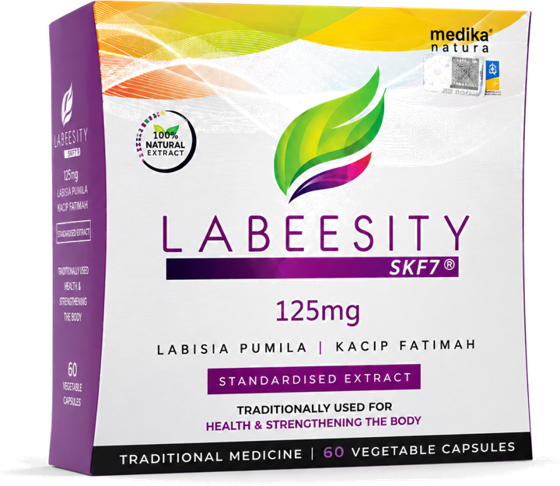
Metabolic health & weight-management support
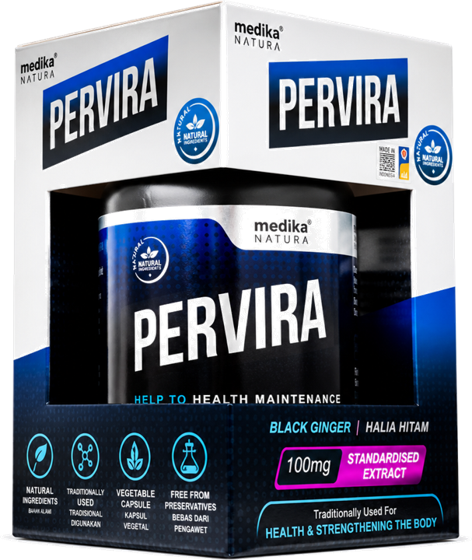
Energy, vitality & healthy-aging support
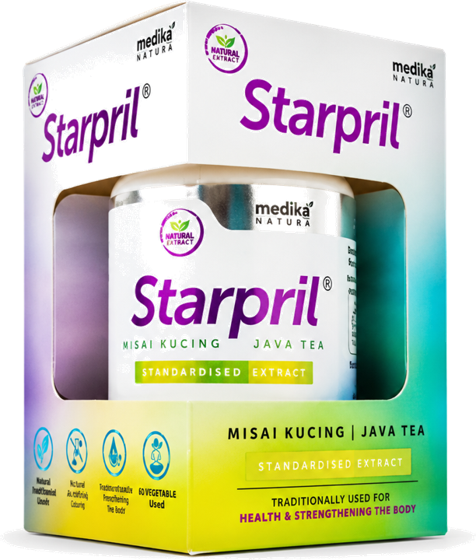
Joint-health & inflammation-linked support
Labeesity SKF7®, Pervira® and Starpril® are registered with Malaysia’s NPRA and commercially available in Malaysia.
Scientific record
Connect with our team to explore research, investment and strategic partnerships.
Science & platform
Our work begins with botanical complexity. We develop standardized bioactive APIs—active pharmaceutical ingredients—with defined quality attributes, then investigate their safety, biological activity and clinical potential.
From source to defined API
An API is an active pharmaceutical ingredient. Defining what goes into it is essential to understanding what it does.
01Characterize
Botanical identity, analytical characterization and marker-compound control help define the investigated product. Reproducible extract profiles and batch consistency connect the material we study to the material we develop.
02Investigate
Pharmacology, toxicology and pharmacokinetics establish the basis for human investigation. Clinical studies evaluate safety, tolerability, dose response and patient-relevant outcomes. SKF7® has completed human pharmacokinetic and randomized Phase II studies.
03Interpret
Proteomics, transcriptomics, metabolomics and microbiome datasets help us investigate pathways and generate hypotheses for further validation. Computational analysis and bioinformatics connect these datasets to testable biological questions. AI-enabled applications form the next stage of our analytical development.
04Develop
Analytical control, manufacturing documentation and regulatory planning accompany development. Our commercial products and therapeutic candidates share scientific capabilities while following their respective regulatory requirements.
Standardized bioactive APIs
Our botanical development programs are built around standardized multicomponent APIs with defined chemical-marker specifications. Botanical identity, analytical characterization and manufacturing controls connect the material we study with the material we develop.
Labisia pumila var. alata
A standardized aqueous ethanolic extract with HPLC marker quantification and LC–MS/MS chemical profiling, supported by human clinical, proteomic, safety and pharmacokinetic evidence.
Explore SKF7® chemistryKaempferia parviflora
A standardized extract with 5,7-DMF quantified by HPLC. Cardiovascular and molecular research is supported by a completed GLP repeated-dose toxicology and toxicokinetic study.
Explore KPH1™Orthosiphon stamineus
A standardized aqueous ethanolic extract with two defined chemical markers, supporting a preclinical program in inflammation and joint-health biology.
Explore MKS-5®Values are minimum marker specifications (NLT: not less than). These markers are quality attributes within multicomponent APIs; broader chemical profiles and study-specific biological evidence inform development.
Earlier-stage standardized APIs
BR-2™, AGS-1™ and CAS-9™ follow the marker-based standardization approach used across our API portfolio. Each is characterized and quantified by HPLC against defined chemical markers.
| Program | Botanical source | Marker compound | Reported content (% w/w) |
|---|---|---|---|
| BR-2™ | Boesenbergia rotunda | Panduratin A | 5.47% |
| Pinostrobin | 13.15% | ||
| AGS-1™ | Andrographis paniculata | Andrographolide | 1.38% |
| 14-Deoxy-11,12-didehydroandrographolide | 0.55% | ||
| CAS-9™ | Centella asiatica | Madecassoside | 0.39% |
| Asiaticoside | 0.14% |
The values above are reported contents from selected development-batch analyses. They describe the analyzed batches and are distinct from minimum release specifications.
Marker-based standardization gives each program a quantified chemical profile from the earliest stage of development, providing a basis for batch-to-batch consistency, quality control and further development.
SKF7® / Chemical characterization
SKF7® is a standardized water–ethanol extract of Labisia pumila var. alata, supplied as a spray-dried powder. Its development connects controlled extraction with chemical profiling, batch consistency and a defined gallic acid marker specification.
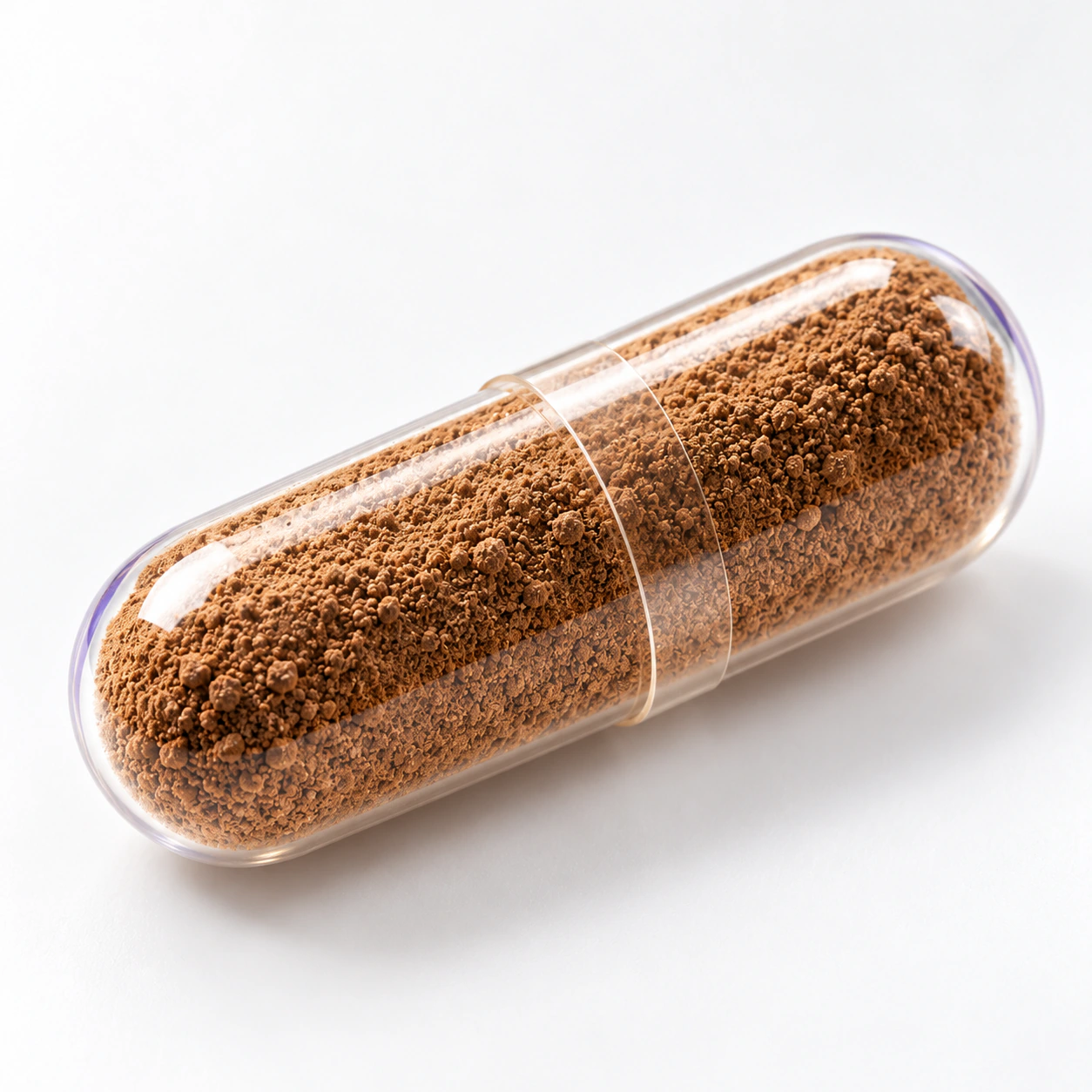
Leaves, stems and roots provide the botanical starting material. Controlled water–ethanol extraction and spray drying produce the multiconstituent powder, illustrated here inside a capsule.
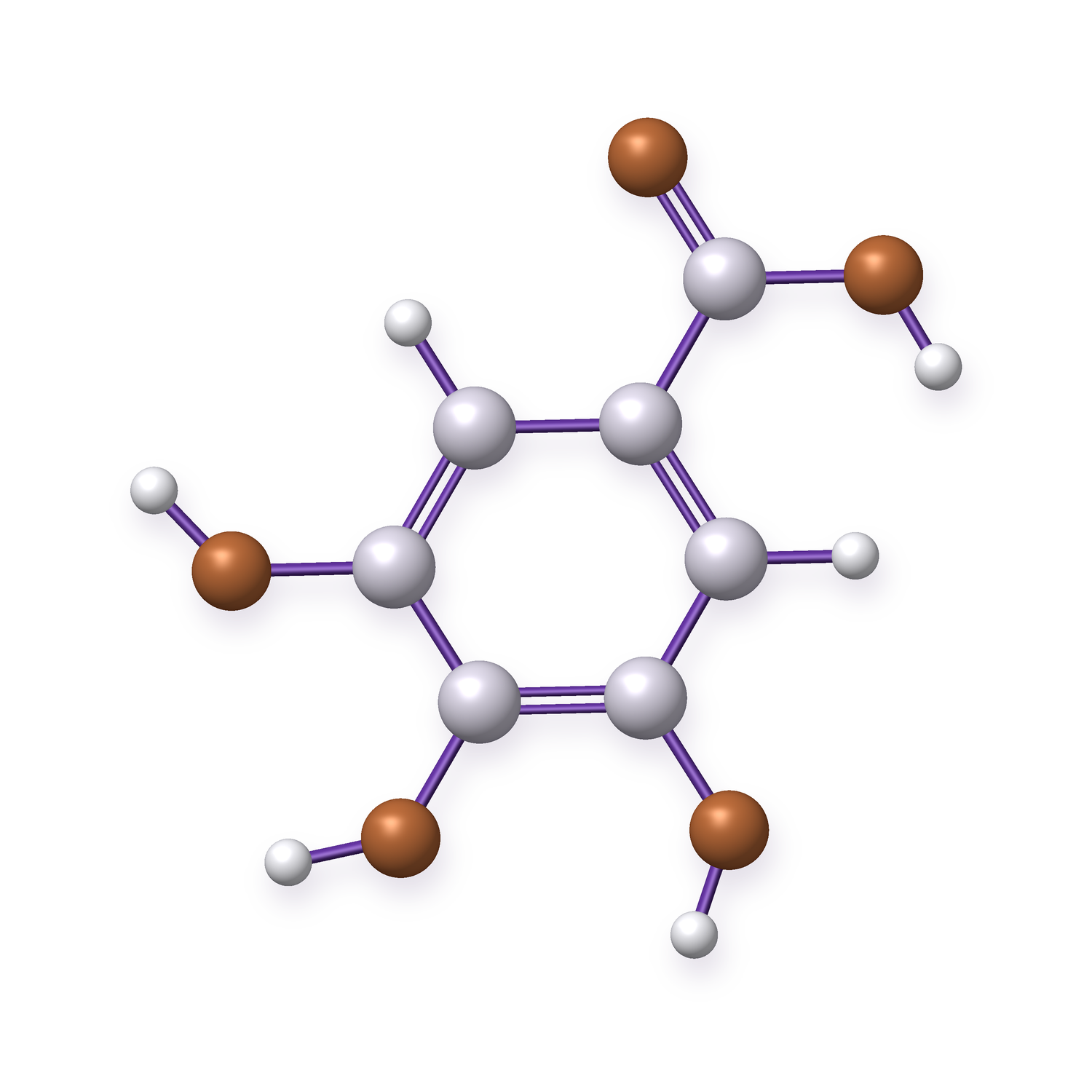
LC–MS/MS profiling investigates the chemical composition. The gallic acid structure and reported spectrum connect a defined marker to the wider multicomponent extract.
ChromaDex reported similar chemical profiles across three studied lots. A gallic acid specification of at least 2.0%, supported by manufacturing controls, defines a key quality attribute of SKF7®.
Illustrative capsule and molecular structure. Analytical traces reproduced from the ChromaDex report, Figures 7 and 35.
These 27 constituents were tentatively annotated by LC–MS/MS and mass-spectral database matching in the ChromaDex study. The list describes the reported analytical profile; it is not a formulation recipe or a complete inventory of the extract.
Gallic acid · Methyl gallate · Protocatechuic acid · Salicylic acid · Syringic acid · Vanillic acid
m-Coumaric acid · Caffeic acid
Myricetin · Quercetin · Rutin
Catechin · Epigallocatechin
Naringenin · Apigenin
Ardisiacrispin A · Ardisicrenoside A
Linoleic acid · Oleic acid · Palmitic acid · Stearic acid · α-Linolenic acid
Fumaric acid · Succinic acid · Pyrogallol · Ascorbic acid · Irisresorcinol
Chemical profile: ChromaDex, Identification of SKF7™ Extract Chemical Components, report CDXA-PR-346-02, revised 20 March 2020, Table 3 and Figures 7 and 35.
SKF7® / Human proteomics
Human plasma proteomics is a central part of SKF7®’s integrated evidence. SomaScan® 11K profiling of 10,788 protein targets in plasma from the Malaysia Phase II study identified coordinated changes associated with lipoprotein processing, lipid mobilization and fatty-acid oxidation.
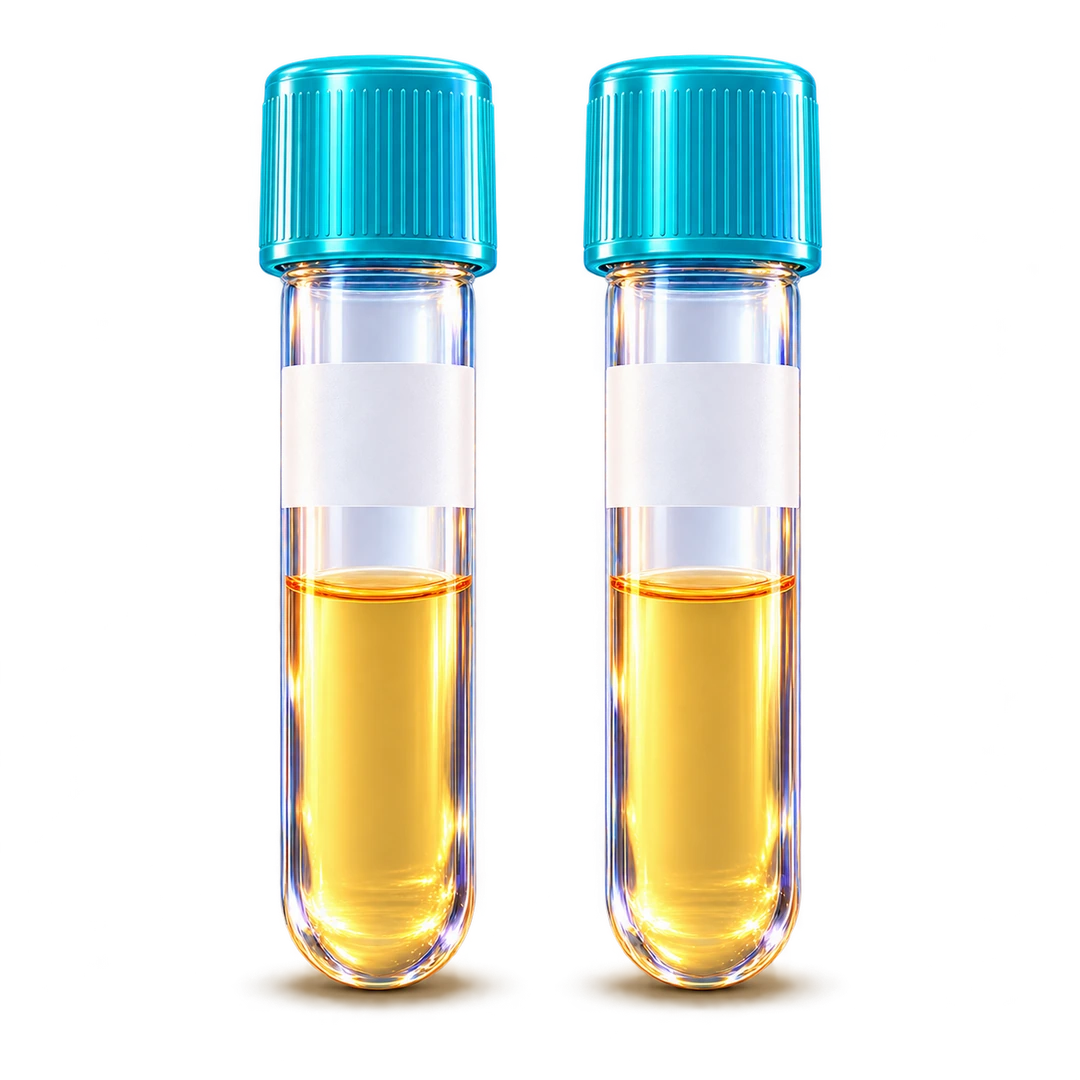
Plasma from the SKF7® Malaysia Phase II study connects the analysis to a randomized human research program.
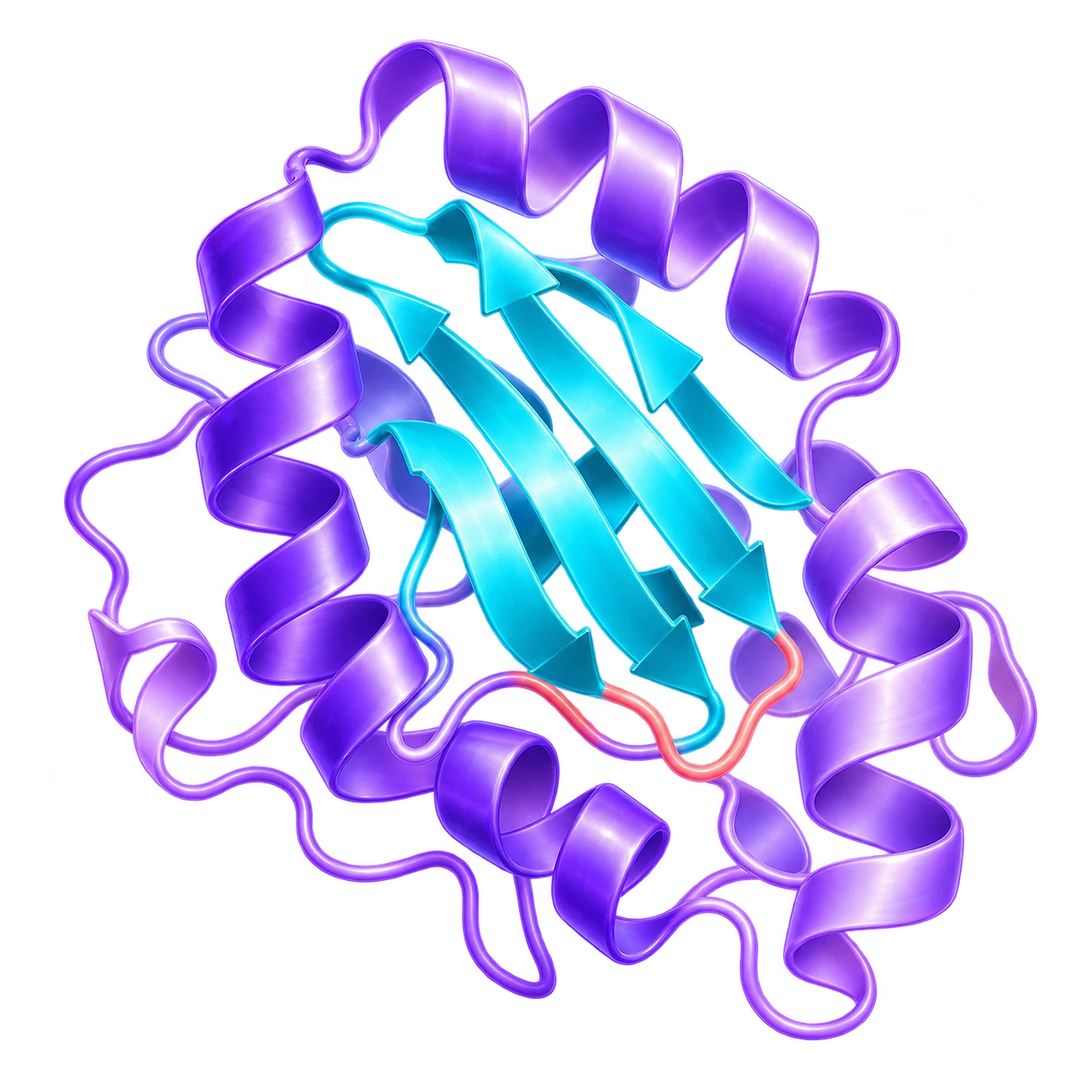
SomaScan® 11K measures a broad set of protein targets, creating a detailed profile for biological investigation.

The profiles help us investigate metabolic pathways and prioritize questions for individual-sample validation.
Conceptual research illustrations · Not to scale
Metabolic themes in the discovery analysis
Protein changes associated with how fats are carried and processed in circulation.
Protein patterns linked to the mobilization of stored fat for use.
Changes associated with pathways that use fatty acids in cellular energy metabolism.
Discovery profiling used plasma pooled by study arm and visit. Individual-sample validation is needed to assess reproducibility and relationships with clinical response; causal mechanisms remain under investigation.
Explore the human datasetMedikra® AI Life Sciences
Our planned AI-enabled operating model brings chemistry, pharmacology, safety, pharmacokinetics, clinical and molecular evidence into a framework for discovery, development and product design.
Completed target-fishing, molecular-docking, bioinformatics and pathway analyses within individual research programs provide the foundation for this next stage of analytical development.
Each dataset retains its biological source, analytical method and development context.
Clinical & molecular evidence
Randomized Phase II studies, human pharmacokinetics and plasma proteomics, alongside chemical characterization, pharmacology, safety, hepatic mRNA and microbiome research.
Explore human proteomicsCardiovascular & molecular research
Cardiovascular pharmacology supported by bulk mRNA, microRNA and single-nucleus RNA sequencing, connecting functional research with investigation of biological mechanisms.
Explore the programA broader discovery portfolio
MKS-5®, BR-2, CAS-9 and AGS-1, together with documented fraction research, extend the material available for investigation according to each program’s evidence and maturity.
Explore earlier-stage researchIntended applications
Connect chemical profiles with biological responses to generate mechanism and biomarker hypotheses, prioritize extracts and fractions, and explore additional indications.
Use clinical, exposure, safety and molecular evidence to inform dose hypotheses, endpoint selection, prospective patient stratification and study planning. Evaluate trial-design scenarios where suitable data are available.
Investigate relationships among composition, formulation, biological activity, exposure and stability to prioritize new products, delivery approaches and potential intellectual-property opportunities.
Staged implementation
Scientific review and laboratory or clinical validation connect computational findings to the next development decision.
Consolidate datasets, document access rights and assess analytical quality.
Select qualified tools and collaborators; assess performance against defined research questions.
Test prioritized hypotheses through laboratory, biomarker or clinical research.
Shared science. Two development pathways.
The intended model supports indication-specific therapeutic development and product-specific consumer-health innovation, with opportunities for new compositions, formulations and uses. U.S. business development is intended to connect these pathways with relevant clinical, commercial and strategic partners.
Planned source-control expansion
The planned PlantBio Center is intended to strengthen botanical source control through GACP-aligned cultivation and development of GMP-ready production capacity. Beginning with Labisia pumila var. alata, the botanical source for SKF7®, it would connect verified plant material with standardized extraction and analytical characterization.
Explore opportunities across characterization, translational research and clinical development.
Development pipeline
SKF7® leads our botanical-drug development in abdominal obesity and related metabolic dysfunction, with a focus on central adiposity, body composition and metabolic biology. Planned clinical expansion includes women’s endocrine-metabolic health. KPH1™ and MKS-5® advance distinct preclinical programs in cardiovascular and inflammatory biology.
Labisia pumila
Labisia pumila
Kaempferia parviflora
Orthosiphon stamineus
Each program advances according to its own evidence. Completed studies, preclinical research and planned clinical expansion are shown separately.
| Program / focus | Current stage | Planned next step |
|---|---|---|
| SKF7®Central adiposity & metabolic dysfunctionGallic acid ≥2.0% | Phase II studies completedTwo randomized Phase II studies and human pharmacokinetics, with human proteomics and nonclinical safety evidence. | Phase II/III protocol development and regulatory engagement |
| SKF7®Women’s endocrine-metabolic health | Planned clinical expansionPostmenopause and PMOS study concepts under review. | Develop postmenopause and PMOS study protocols with Korean investigators |
| KPH1™Cardiovascular aging & ischemic-stress biology5,7-DMF ≥8.0% | PreclinicalCardiovascular and molecular research; 90-day GLP toxicology and toxicokinetics completed, with 28-day recovery. | Phase I/II program planning |
| MKS-5®Inflammation & joint healthRosmarinic acid ≥1.0% · Sinensetin ≥0.05% | PreclinicalInflammation and joint-health efficacy research with a preclinical safety foundation. | Further efficacy and safety validation |
Labisia pumila var. alata
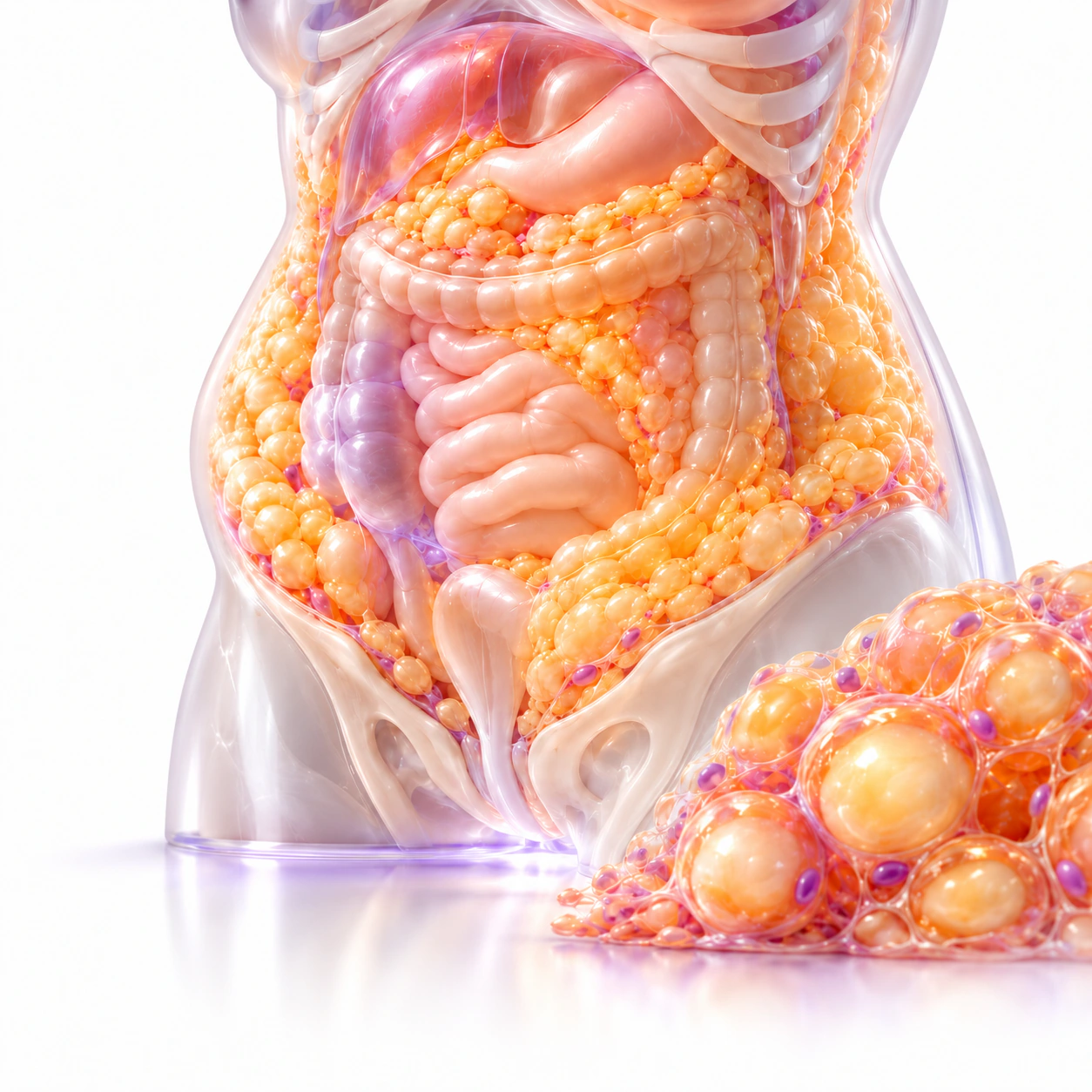
SKF7® is an oral botanical-drug candidate developed from a standardized multicomponent bioactive API. We evaluate obesity-related central adiposity and metabolic dysfunction through waist measures, body composition and metabolic biology alongside body weight.
A standardized API with an integrated development program.Analytical characterization, completed randomized human studies, human proteomics, animal and human pharmacokinetics, and nonclinical safety—including 12-month rat and 9-month dog studies—inform continued development.
Our development rationale extends beyond total weight reduction. Longer controlled studies are planned to evaluate the durability and clinical significance of the findings.
Development focusPhase II/III protocol development, FDA pre-IND planning and continued product characterization, alongside the NPRA Modern Claim pathway in Malaysia and the MFDS Health Functional Food pathway in Korea.
Labisia pumila var. alata
Planned clinical expansion into women’s endocrine-metabolic health includes menopause-associated metabolic dysfunction and PMOS. Study concepts are under review with Korean academic investigators.
Development focusReview and refine the postmenopause and PMOS study concepts, including populations, outcomes and regulatory requirements. Menopause-related research also informs exploration of age-related metabolic and endocrine changes.
Kaempferia parviflora
KPH1™ combines cardiovascular efficacy research and molecular profiling with completed GLP repeated-dose toxicology and toxicokinetics, supporting further clinical-development planning.
Completed GLP safety and exposure study.A 90-day repeated-dose toxicology and toxicokinetic study in Wistar rats, with 28-day recovery, supports further clinical-development planning alongside cardiovascular efficacy and molecular research.
Vascular stress, oxidative injury and cellular energy biology.
Development focusPhase I/II program planning supported by the preclinical efficacy and safety evidence.

Orthosiphon stamineus
A standardized bioactive API program investigating inflammation and joint-health biology.
Inflammation-linked and joint-health research.
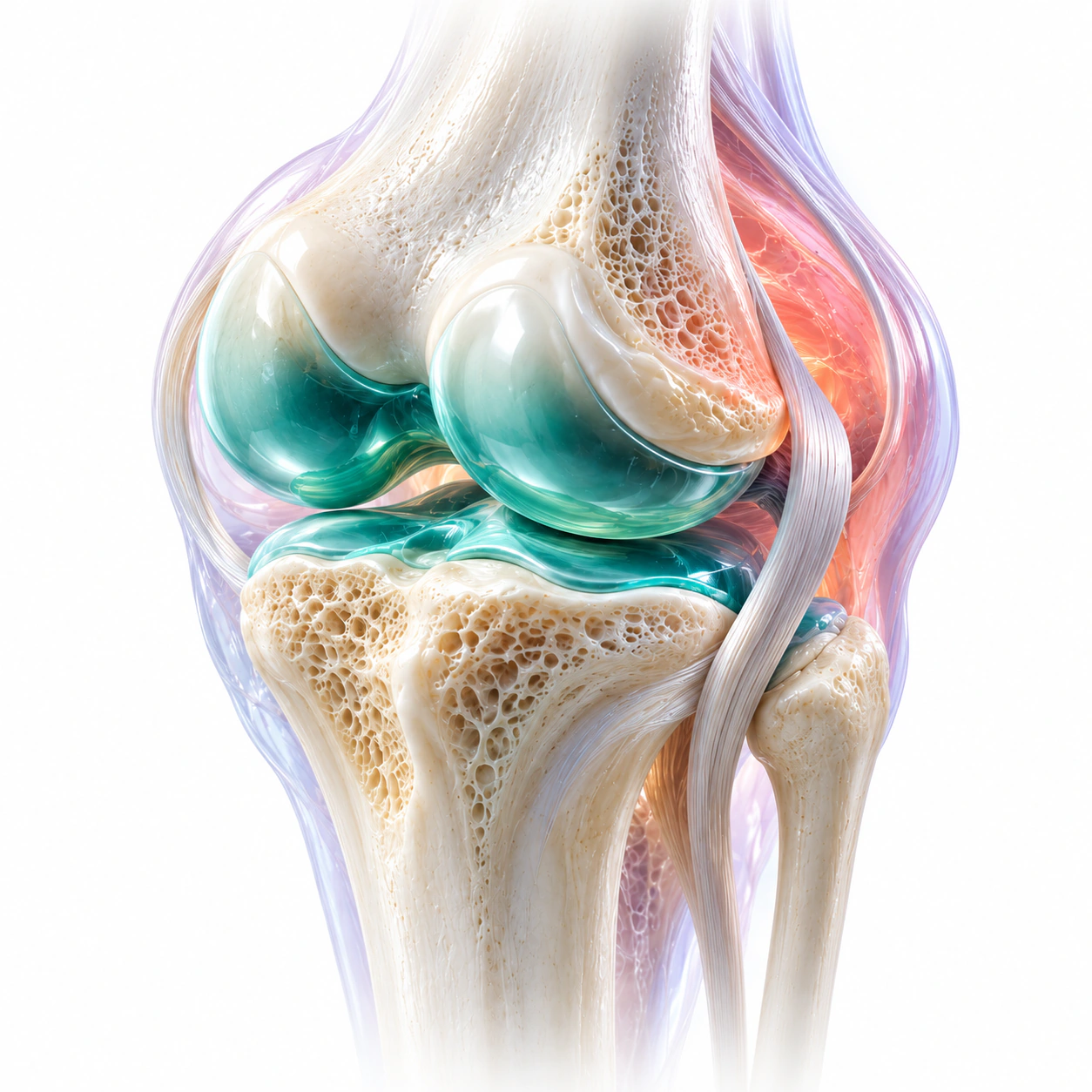
Development focusPreclinical efficacy and safety validation in inflammatory joint disease.
Our broader API portfolio
All Medikra® APIs are standardized botanical extracts. Our earlier-stage programs—BR-2™, AGS-1™ and CAS-9™—are standardized extracts of Boesenbergia rotunda, Andrographis paniculata and Centella asiatica, respectively. Each is characterized and quantified by HPLC against defined chemical markers, following the same marker-based approach used for SKF7®, KPH1™ and MKS-5®.
Boesenbergia rotunda
Andrographis paniculata
Centella asiatica
Marker-based standardization gives each program a quantified chemical profile from the earliest stage of development, providing a basis for batch-to-batch consistency, quality control and further development.
SKF7® / Wider research program
Our integrated program brings together human clinical evidence, human proteomics, extensive preclinical research, and safety and pharmacokinetic studies. Wider investigations span oncology, glucose regulation, inflammation, oxidative stress and neurobiology. These are research areas at different stages of development.
A lead preclinical focus on cervical cancer, with additional breast cancer research. Cell-based, animal and molecular studies investigate biological activity and potential mechanisms.
Preclinical glucose-regulation findings require clinical validation. They inform further metabolic investigation alongside the obesity-focused human program.
Laboratory and molecular research explores inflammatory signaling and oxidative-stress responses in their study-specific context.
Exploratory investigations inform questions for further validation, with development decisions tied to the tested material and experimental model.
Menopause-related research informs this exploratory direction within women’s endocrine-metabolic health.
The SK-UT-1 experiments used LPSE/LPSE-Liposome prototypes and retain that attribution. External Labisia research, including isolated-polysaccharide lifespan findings, provides background for investigation and does not establish SKF7® efficacy. Observed results and mechanistic interpretations are distinguished throughout development; unchanged estradiol alone does not establish a wholly non-hormonal mechanism.
Medikra® AI Life Sciences
Our planned AI operating model is intended to connect chemistry, clinical evidence, pharmacokinetics, safety and molecular datasets to inform future pipeline decisions.
Explore the AI strategyAssess extracts and fractions for further investigation by bringing together chemical profiles, biological activity and computational insights.
Develop hypotheses for additional indications, compositions and formulations across therapeutic and consumer-health programs.
Advance selected hypotheses through laboratory studies and clinical evaluation appropriate to each program.
Connect with us on development, licensing and strategic partnerships.
Human evidence & scientific record
SKF7®’s development focus brings central adiposity, body composition and metabolic biology into one integrated evidence narrative. Explore the Malaysia and Indonesia Phase II findings, human proteomics and preclinical research, supported by pharmacokinetics and safety studies.
Featured research / SKF7®
Coordinated protein changes associated with lipid processing, mobilization and fatty-acid oxidation add molecular evidence to the clinical program.
Explore the discovery researchCompleted human studies
View studiesRandomized Phase II
Randomized Phase II
Human pharmacokinetics
Separate studies, reported separately. Indonesia: 150 randomized; 120 per-protocol completers.
Explore the scientific recordSKF7® / Clinical program
The completed randomized studies evaluate different aspects of SKF7®’s clinical profile. Their findings support investigation across waist measures, body composition and metabolic function alongside total body weight.
A randomized, double-blind, placebo-controlled, dose-ranging study in 133 participants evaluated SKF7® across six Malaysian clinical sites over four months. At 750 mg/day, SKF7® demonstrated statistically significant reductions in waist circumference, waist-to-height ratio, body weight and BMI versus placebo.
Read the clinical publication| Outcome | Adjusted change (%) | 95% confidence interval | p value |
|---|---|---|---|
| Waist circumference | −2.187 | −3.784 to −0.589 | 0.007 |
| Waist-to-height ratio | −2.294 | −3.908 to −0.681 | 0.005 |
| Body weight | −2.915 | −4.546 to −1.285 | <0.001 |
| BMI | −2.921 | −4.551 to −1.291 | <0.001 |
Multivariate-adjusted treatment-effect estimates for percentage change from baseline versus placebo. Adults with obesity (BMI ≥30 kg/m²); daily doses of 375, 562.5 and 750 mg or placebo; no standardized lifestyle or behavioral intervention. NCT05851599.
The paper reported larger regression effect sizes for waist circumference (f² = 0.11) and waist-to-height ratio (f² = 0.13) than for body weight and BMI. These are model-level effect sizes, not dose-specific comparative estimates. Waist measures provide a clinical perspective on central adiposity; they do not directly quantify visceral-fat volume.
Sources: Swarna Nantha et al., Diabetes, Obesity and Metabolism (2023); February 13, 2026 F-1/A, Business, pp. 129–130.
At 750 mg/day over 12 weeks, the Indonesian study reported a significant reduction in total body fat and an increase in the reported lean-body-mass measure versus placebo, despite no statistically significant difference in total body weight. These findings explain why weight alone does not capture the full clinical picture.
Read the filed clinical summary| Outcome | Adjusted change (%) | 95% confidence interval | p value |
|---|---|---|---|
| Total body fat | −4.82 | −8.52 to −1.12 | 0.011 |
| Reported lean-body-mass measure | +2.43 | +0.22 to +4.63 | 0.030 |
| Body weight | −0.49 | −1.51 to +0.54 | >0.05 |
| BMI | −0.69 | −1.76 to +0.38 | >0.05 |
Adjusted treatment-effect estimates for percentage change from baseline versus placebo, as reported in the February filing. Randomized, double-blind, placebo-controlled, dose-ranging study; daily doses of 750, 1,125 and 1,500 mg or placebo; no structured diet or exercise intervention. NCT04557267.
Total body fat and lean body mass are the study-reported body-composition measures. The values above describe percentage-change treatment effects; they are not kilogram changes. Body-weight and BMI comparisons were not statistically significant, and no significant between-group difference in waist circumference or waist-to-height ratio was reported. Findings support further study of body composition; independence from weight change would require a specific analysis.
Source: February 13, 2026 F-1/A, Business, pp. 127–128. Results are presented separately from the Malaysian study because design, participants and duration differ.
A completed Phase I pharmacokinetic study in India characterized human exposure following oral administration of SKF7®, using gallic acid as a bioanalytical marker. This exposure evidence forms part of the integrated clinical-development program.
03 / SKF7® human plasma proteomics
Human plasma proteomics adds molecular evidence to SKF7®’s clinical profile. Coordinated protein changes associated with lipoprotein processing, lipid mobilization and fatty-acid oxidation connect the observed clinical responses with investigation of metabolic biology.
Patterns associated with lipid transport and processing.
Patterns linked to the mobilization of stored lipid.
Patterns associated with fatty-acid energy metabolism.
Conceptual grouping of themes identified in discovery profiling.
Plasma collected at baseline and the end of the four-month Malaysia Phase II study was pooled by study arm and visit across the four arms. SomaScan® 11K profiling therefore provides a group-level discovery dataset. Individual-sample validation is needed to test reproducibility, dose relationships and associations with clinical response.
The coordinated changes involve lipoprotein processing, the mobilization of stored lipid and fatty-acid oxidation. Considered alongside waist and body-composition findings and preclinical research, they inform investigation of the processes underlying clinical responses and guide further validation.
How we investigate biologyDiscovery profiling used plasma pooled by study arm and visit. Individual-sample validation is needed to assess reproducibility and relationships with clinical response; causal mechanisms remain under investigation.
Company discovery research using plasma from NCT05851599. This proteomics analysis is separate from the clinical results published in Diabetes, Obesity and Metabolism (2023).
04 / SKF7® preclinical evidence
Preclinical research connects adipose-tissue findings with investigation of metabolic pathways. Animal and laboratory studies inform the rationale and priorities for further human evaluation.
Diet-induced obesity studies reported reductions in visceral fat and histological features of beige-like adipose remodeling.
Metabolic, inflammatory and molecular findings inform hypotheses for targeted validation. Their connection to human clinical response remains an active research question.
Animal and human pharmacokinetics and the extensive safety program support interpretation of exposure and planning of further studies.
Malaysia’s waist-based findings, Indonesia’s body-composition results, human plasma proteomics and preclinical biology together support evaluating SKF7® across central adiposity, body composition and metabolic function. Each retains its own study design, tested material and development context.
Preclinical development context: February 13, 2026 F-1/A, Business. See the wider research program for research areas and tested-material attribution.
Safety & pharmacokinetics
SKF7®’s development connects genotoxicity, acute and chronic toxicology, cardiovascular safety pharmacology, animal and human pharmacokinetics, and clinical safety observations. Together, these studies inform dose selection, exposure assessment and further clinical development.
The SKF7® safety evidence register contains 19 entries spanning nonclinical safety, pharmacokinetics, physicochemical characterization and human studies: 17 entries for SKF7® and two explicitly identified SKF7®-derivative studies.
| Research area | Program scope |
|---|---|
| Genotoxicity and mutagenicity | Bacterial reverse-mutation, chromosomal-aberration and in vitro and in vivo micronucleus assessments. The register identifies the derivative Ames study separately. |
| Acute oral toxicity | Acute-dose evaluation, including the additional GLP study completed October 9, 2026, supporting the Korean regulatory program. The earlier derivative study retains its separate test-item attribution. |
| Repeated-dose and chronic toxicity | 90-day and 12-month rat studies; a 9-month dog study with a one-month recovery period; and a dog dose-range-finding study with pharmacokinetics. |
| Cardiovascular safety pharmacology | Telemetry assessment of heart rate, blood pressure and ECG parameters, including QT/QTcF intervals. |
| Animal and human pharmacokinetics | Gallic-acid marker exposure characterized in rats, dogs and a completed randomized human pharmacokinetic study. |
| Physicochemical characterization | Water-solubility characterization by HPLC, supporting understanding of the standardized test material. |
| Human safety and tolerability | Two randomized Phase II studies in Malaysia and Indonesia, together with the randomized human pharmacokinetic study in India. |
Findings are specific to the tested material, species, doses, study duration and measured endpoints. NOAEL means no-observed-adverse-effect level.
Source: SKF7® Safety Evidence Register, updated October 9, 2026. Underlying reports include VLL/0218/G/T012, VLL/0319/G/T024, VLL/0621/G/T107 and VLL/0721/G/S003.
KPH1™ / Completed preclinical study
KPH1™ combines cardiovascular efficacy research and molecular profiling with a completed GLP repeated-dose toxicology and toxicokinetic study, supporting further clinical-development planning.
The reported NOAEL was 600 mg/kg/day, the highest dose tested, under the conditions of the Wistar-rat study. The completed preclinical safety and exposure assessment informs further development alongside the cardiovascular and molecular research program.
Source: signed final report VLL/0125/G/T018, completed June 1, 2026; repeated-dose oral toxicity and toxicokinetics of KPH1™ with recovery in Wistar rats.
Development priorities
We are advancing a program designed to evaluate the durability and clinical significance of SKF7®’s effects on central adiposity, body composition and metabolic function.
Fixed oral dosing and the tolerability observed in completed studies inform this program. Longer controlled studies are planned to evaluate sustained efficacy and safety, with clinical outcomes and molecular findings guiding study design.
Within an obesity-treatment landscape that includes GLP-1–based therapies, SKF7®’s development priorities center on oral dosing, central adiposity, body composition and metabolic biology. Comparative tolerability, long-term adherence, maintenance and combination use require dedicated studies. The completed SKF7® studies do not establish comparative efficacy or safety against GLP-1 therapies.
Peer-reviewed & published research
Explore the study designs, published findings and their context.
4 publications shown.
Randomized Phase II clinical evaluation of SKF7® in individuals with obesity.
In vitro antiviral investigation of SKF7®.
Computational target mapping under the taxonomic synonym Marantodes pumilum, supporting hypotheses for investigation.
Regulatory scientific opinion assessing safety under the European Union Novel Food framework and specified conditions of use.
For scientific discussions or study information, contact our team.
Consumer health
Labeesity SKF7®, Pervira® and Starpril® contain the standardized APIs that underpin our development programs. All three are registered with Malaysia’s NPRA and marketed through clinical, pharmacy and direct-to-consumer channels.
Explore the portfolio
Standardized ingredient SKF7®
API development · Phase II studies completed
Registered & marketed in Malaysia
Standardized ingredient KPH1™
API development · Preclinical research
Registered & marketed in Malaysia
Standardized ingredient MKS-5®
API development · Preclinical research
Registered & marketed in Malaysia
The commercial portfolio
Metabolic health & weight-management support
Contains SKF7®, the standardized extract that anchors our clinical-stage program in obesity and metabolic dysfunction.
Energy, vitality & healthy-aging support
Associated with KPH1™, our preclinical standardized API program investigating cardiovascular aging and mitochondrial biology.
Joint-health & inflammation-linked support
Associated with MKS-5®, our preclinical standardized API program focused on inflammation and joint-health biology.
Markets & pathways
Our strategy advances consumer-health commercialization and therapeutic botanical-drug development concurrently. Both draw on the same scientific and operational capabilities, with distinct development milestones and market requirements.
Commercially active
Our principal operating base and home market for three registered products, with further SKF7® development through the NPRA Modern Claim pathway.
Development and market-entry strategy
FDA-facing botanical-drug development and consumer-health market entry, building on SKF7®’s New Dietary Ingredient notifications and U.S. patent protection.
Regulatory and clinical development
Pursuit of MFDS Health Functional Food recognition, commercial collaboration and planned studies in women’s endocrine-metabolic health.
Novel Food authorization
Labisia pumila extract authorized under Regulation (EU) 2023/972 for its specified food-supplement uses.
Discuss distribution, commercialization and regional market opportunities.
Our company
Medikra is a revenue-generating, clinical-stage biopharmaceutical company developing standardized bioactive APIs and botanical therapeutics. Our Malaysian scientific and commercial foundation supports an international growth strategy focused on the United States and Korea.

The beginning of our Malaysian business.
Our origins
Abdul Razak Mohd Isa and Mustadza Muhamad founded the Malaysian business in 2006 as Orchid Life Sdn. Bhd. It developed into Medika Natura Sdn. Bhd., now Medikra's principal operating subsidiary. That work connects research collaborations, standardized extracts, clinical studies and registered products.
Global operations
Malaysia brings together our principal operating business, research relationships, clinical experience and registered product portfolio. Further development includes the NPRA Natural Products with Modern Claim pathway and planned expansion of botanical source-control capabilities.
Our U.S. strategy focuses on FDA engagement for botanical-drug development, North American research and development coordination, and consumer-health market entry. SKF7®’s U.S. patent and New Dietary Ingredient notifications form part of this foundation.
Our Korean program combines pursuit of MFDS Health Functional Food recognition for SKF7® with commercial collaboration and planned studies in women’s endocrine-metabolic health. Postmenopause and PMOS study concepts are being developed with Korean academic investigators.
Leadership
Group Chief Executive Officer & Co-Founder
Co-founder of Medika Natura and Chief Executive Officer and director of Medikra since its incorporation in 2024. His experience spans company building, biotechnology policy, scientific collaboration and international development. He holds an MBA from Multimedia University, completed the UCSF QB3 Global Bio-Entrepreneurship Program and is ICH-GCP certified.
Deputy Chief Executive Officer & Co-Founder
Co-founder of Medika Natura, where he serves as Deputy Chief Executive Officer, and a director of Medikra. His training includes corporate finance at the University of Cambridge and biotechnology programs at UCSF, UC Berkeley and the University of Oxford. He is ICH-GCP certified.
Chairman
Chairman of Medikra and Medika Natura. Former Chairman of the Securities Commission Malaysia and former Chairman and Partner of Ernst & Young Malaysia, with experience across capital markets, financial regulation and corporate governance.
Research history
Nearly two decades of Malaysian government-supported research, university collaboration and Ministry of Health research and clinical infrastructure underpin our programs.
Our responsibilities
Medikra is developing governance structures across finance, audit and risk, capital markets and scientific oversight. Its advisory-board framework supports clinical design, toxicology, product characterization, regulatory strategy and pipeline prioritization.
Our sourcing priorities include botanical identity, traceability, cultivation consistency, contaminant screening and biodiversity-conscious practices. The planned PlantBio Center is intended to strengthen this upstream foundation.
We welcome people and partners who share our commitment to rigorous development.
Investors & strategic partners
Medikra combines a clinical-stage lead asset, revenue-generating products and a standardized bioactive API platform. Our growth strategy connects Malaysia’s established scientific and commercial base with therapeutic development and market-entry opportunities in the United States and Korea.
Clinical-stage
lead asset
Completed randomized
Phase II studies
Products marketed
in Malaysia
Our investment foundations
SKF7® advances a clinical development focus on central adiposity, body composition and metabolic dysfunction, supported by two randomized Phase II studies, human proteomics, pharmacokinetics and preclinical research.
Three registered products marketed in Malaysia provide an operating foundation for further development and international expansion.
Analytical control, granted patents and proprietary development knowledge support our standardized bioactive API platform.
Planned Medikra® AI Life Sciences integration would connect our scientific datasets to support pipeline expansion, product innovation and potential new IP across therapeutic and consumer-health development.
Explore the AI strategyU.S. and Korean initiatives extend the platform through regulatory engagement, clinical planning, commercial partnerships and market entry.
Development objectives
Advancing the evidence, strengthening product consistency and building partnerships for long-term development.
Intellectual property & regulatory milestones
Granted patents, pending applications and ingredient-use milestones support different parts of Medikra's development and commercial strategy.
United States / Ingredient use
New Dietary Ingredient notification for SKF7® under notified conditions of use, including a maximum intake of 300 mg per day for up to 90 days.
United States / Ingredient use
New Dietary Ingredient notification for SKF7® under notified conditions of use, including a maximum intake of 750 mg per day.
Malaysia / Granted patent
Granted 19 October 2022: Standardised Extract of Labisia pumila for Weight Reduction and Nano-Formulation Thereof. Part of the historical IP estate.
European Union / Novel Food
Aqueous ethanolic extract of Labisia pumila authorized for adult food supplements at a maximum of 350 mg per day, excluding pregnant and lactating women, under applicable EU conditions.
United States / Granted patent
Granted 2 September 2025: Labisia pumila Extract Composition and Its Pharmaceutical Formulation.
Malaysia / Granted patent
Granted 20 February 2026: Labisia pumila Extract Composition and Its Pharmaceutical Formulation.
| Jurisdiction | Reference | Status | Scope |
|---|---|---|---|
| United States | US App. 19/220,442 | Pending examination | Divisional application |
| Europe | EP App. 22859531.0 | Pending examination | Composition and pharmaceutical formulation |
| South Korea | KR App. 10-2024-7018373 | Pending examination | Composition and pharmaceutical formulation |
| PCT | PCT/MY2022/000010 | Filed | International filing pathway |
Investor relations
For investor relations inquiries, contact investors@medikra.com.
Our team can discuss development priorities, scientific evidence, commercialization and strategic opportunities.
Connect with Medikra
We welcome conversations with researchers, healthcare professionals, investors, strategic partners, distributors and regulatory specialists.
Principal operating subsidiary of Medikra Inc.
Website information
Information about this website, our content and how it may be used.
Last updated:
01
This website presents general corporate and scientific information about Medikra Inc., Medika Natura Sdn. Bhd. and their activities. It does not provide individualized medical, investment or other professional advice.
Website content does not replace advice, diagnosis or treatment from a qualified healthcare professional. Decisions about an individual’s health or treatment should be discussed with an appropriate healthcare professional.
02
Research findings should be read in the context of the studies described, including their design, population, formulation, dose, duration and endpoints. Clinical observations, laboratory findings and proposed mechanisms address different scientific questions and should be interpreted accordingly. Results from one study do not guarantee the same outcomes in another population or setting.
Commercial authorizations apply to specified products, uses and jurisdictions. An ingredient or consumer-product authorization does not itself constitute approval as a pharmaceutical drug. Investigational programs remain subject to further development and applicable regulatory requirements. Product availability and permitted claims may differ by country.
03
Statements concerning future research, clinical development, regulatory milestones, AI capabilities, partnerships, market expansion, commercialization, financing or other plans reflect expectations as of the dates they are made. They involve uncertainties, including research outcomes, regulatory decisions, funding availability, manufacturing execution, intellectual property, partner performance and market conditions. Actual outcomes and timing may differ materially, and planned activities may change.
Forward-looking information is not a guarantee of future performance. Except where disclosure obligations require otherwise, we do not undertake to update every forward-looking statement. This notice does not limit any disclosure obligation imposed by applicable law.
This website is not intended as an offer to sell, or a solicitation of an offer to purchase, securities. It does not provide investment advice or a recommendation to make an investment. Any securities offering, if undertaken, would be subject to applicable law and the relevant offering documentation.
04
Conceptual artwork, animations and illustrative models communicate scientific themes and development concepts. Their artistic form should not be interpreted as study data, a confirmed mechanism of action or evidence of an approved therapeutic effect. Study figures, product photographs and other visuals should be read with their specific captions and source acknowledgments.
05
Unless otherwise indicated, intellectual property rights in this website’s protected content—including text, graphics, images, animations and original research presentations—belong to Medikra Inc., its affiliates or their respective licensors. Third-party materials and trademarks remain the property of their respective owners.
Except as permitted by applicable law or the relevant license, reproduction, adaptation or redistribution of protected content requires prior written permission from the relevant rights holder. Source credits, copyright notices and applicable license terms must be respected. Display of a name, logo or visual does not grant a license to use it as a trademark.
06
We aim to present accurate information, but content may be revised as research, development and business activities progress. Publication dates and source references should be considered when reviewing material.
Links to third-party resources are provided for reference or convenience. Their inclusion does not by itself constitute endorsement, and their content is outside our control. Third-party websites are subject to their own terms and policies.
07
Please use this website lawfully. You must not introduce malicious code, attempt unauthorized access, interfere with the website’s operation or misrepresent an affiliation with Medikra.
To the extent permitted by applicable law, this website is provided without a guarantee of uninterrupted availability or suitability for a particular purpose. To that extent, Medikra and its affiliates exclude liability for indirect or consequential loss arising from use of, or inability to use, this website.
Nothing in this notice excludes or limits liability for fraud, fraudulent misrepresentation or any other liability that cannot lawfully be excluded or limited, or restricts mandatory rights under applicable law.
08
For website corrections, permissions or questions about this notice, please contact investors@medikra.com.
Return to Medikra